
Top 6 bluebell walks in the Kent Downs
11th March 2026
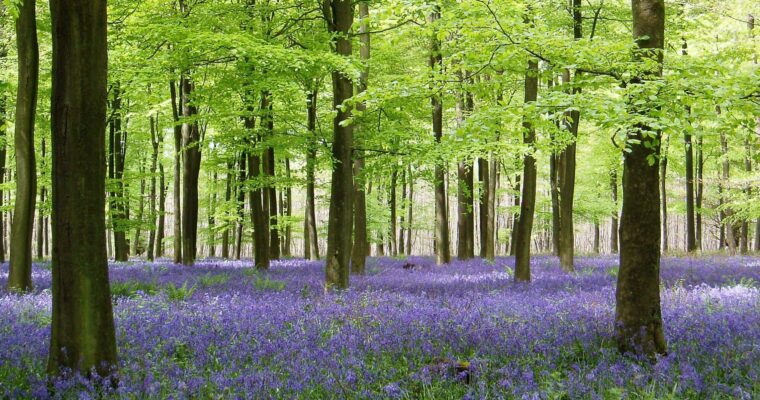
Each spring, the ancient woodlands of the Kent Downs National Landscape transform into beautiful carpets of bluebells. These delicate native flowers usually appear from late March to early May, with peak displays often arriving in April across southern England.
The UK is home to around half of the world’s native bluebells, and the ancient woodland that makes up much of the Kent Downs provides the perfect habitat for them. When the flowers are in bloom, woodland floors turn shades of violet and blue, creating one of the most magical sights of the British countryside.
If you’re looking for the best places to experience bluebell season, here are six wonderful walks in the Kent Downs where you can enjoy this spectacular spring display.
Where to see bluebells in the Kent Downs
1. Ashenbank Wood Ancient Woodland, Cobham
Ashenbank Wood is one of the most beautiful ancient woodlands in the Kent Downs. Classified as ancient woodland, the site has existed for at least 400 years and possibly much longer. It also forms part of the North Kent Woods and Downs National Nature Reserve, a landscape recognised for its exceptional wildlife and ancient habitats.
In spring, the woodland floor is covered with bluebells and wood anemones, creating a stunning seasonal display. The site is also a Site of Special Scientific Interest and supports a wide range of wildlife.
There are two trails to explore. A shorter half mile walk takes around 20 minutes and is suitable for pushchairs and wheelchairs, while a longer circular route of just over a mile allows visitors to explore deeper into the woodland.
2. Kings Wood, Challock
One of the largest woodlands in Kent, Kings Wood was once a royal hunting forest and is now a popular place to walk throughout the year.
In spring, the woodland is alive with bluebells alongside foxgloves and woodspurges. The forest is also home to a wide variety of wildlife, including fallow deer, adders, nightjars, and both lesser and greater spotted woodpeckers.
A network of public paths runs throughout the woodland, and the 3.5-mile Sculpture Trail offers an enjoyable way to explore the forest while discovering artwork along the route.
3. Shoreham Woods, Sevenoaks
Overlooking the beautiful Darent Valley and the village of Shoreham, this collection of woodlands offers one of the most scenic bluebell displays in the Kent Downs.
Shoreham Woods includes five different woodland areas, many of which burst into colour with bluebells in spring. The woods are also home to several rare orchid species and impressive veteran trees, including a grove of ancient yews.
A wheelchair accessible path runs from the Rangers Lodge through Andrews Wood to a picnic area, making this a welcoming location for a range of visitors.
4. Lyminge Forest, Canterbury
Lyminge Forest is another large and peaceful woodland in the Kent Downs, offering plenty of space to explore during bluebell season.
Two walking routes have been designed to guide visitors through the areas where bluebells flourish in spring. These trails pass through quiet woodland clearings and open glades where the flowers form beautiful natural carpets.
The forest also features several cycle routes and wide, well surfaced paths. Many of the routes are flat and accessible, with no stiles or barriers.
5. Harvel Hike, West Malling
This scenic walk follows part of the North Downs Way National Trail where it meets the historic Pilgrim’s Way.
Stopping at Trosley Country Park along the route, walkers can enjoy a mix of chalk grassland and woodland that becomes particularly vibrant in spring. Bluebells bloom beneath the trees while butterflies begin to emerge across the landscape.
The Harvel Hike is around seven miles long and includes some steep slopes and steps, making it a more challenging but very rewarding walk.
6. Hucking Estate, near Maidstone
Set high on the North Downs, Hucking Estate offers sweeping views across the Kent countryside alongside peaceful areas of ancient woodland.
In spring, sections of woodland on the estate fill with bluebells, creating beautiful pockets of colour beneath the trees. The estate also supports a rich variety of wildlife, including skylarks, butterflies and grazing livestock that help maintain the landscape.
A network of well-maintained paths makes Hucking Estate a great place for a relaxed countryside walk while enjoying the changing seasons and wide views across the Downs.
When is bluebell season in Kent?
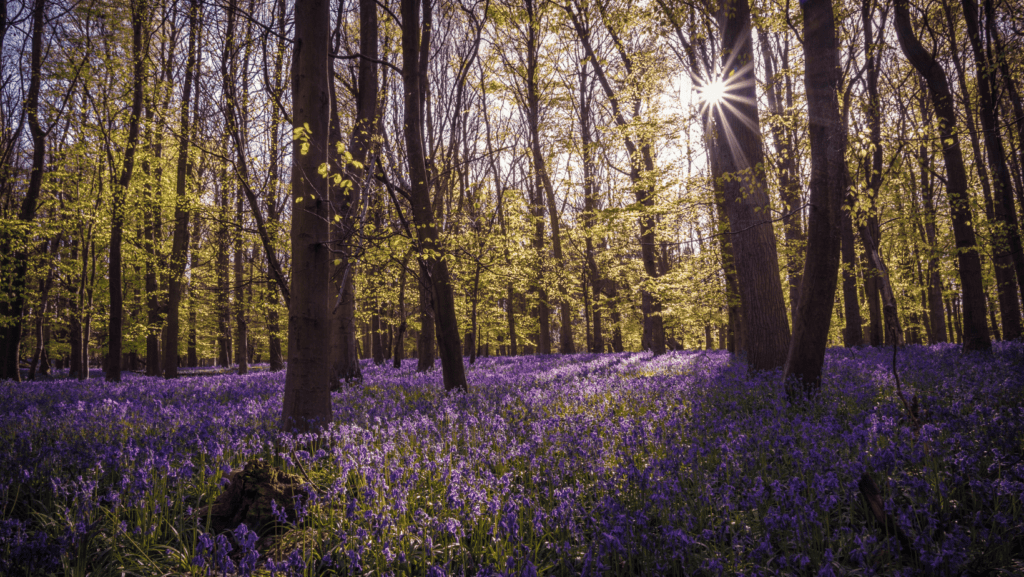
Bluebells usually begin to appear in late March, with the best displays through April and into early May. The exact timing can vary depending on the weather each year, but woodlands in southern England often flower slightly earlier than other parts of the UK.
Help preserve bluebells in the Kent Downs
Bluebells are a true spring treasure in the Kent Downs, but they’re fragile. Walking on them can damage bulbs and stop them from flowering year after year.
You can help keep these carpets of colour blooming for everyone by sticking to the paths and enjoying the flowers from a safe distance. Remember, native bluebells are protected by law, so please leave the bulbs in the ground.
With a little care, we can all enjoy the magic of bluebells for many springs to come.
Popular articles
The Best Viewpoints in the Kent Downs
Searching for incredible views? Look no further! We've rounded up the best…
Lambing season in the Kent Downs
Discover the importance of lambing season in the Kent Downs and find…
Top spots to watch the sunset in the Kent Downs
Discover our favourite places to watch the sunset in the Kent Downs…