
Restoring and creating vital habitats across the Kent Downs.
The Wildlife Rich Habitats Funding (WRHF) is a dedicated investment stream supporting large-scale restoration and creation of high-quality habitats across the Kent Downs National Landscape. It is specifically focused on delivering biodiversity targets on land outside existing protected sites.
While WRHF follows the same application process as the Farming in Protected Landscapes (FiPL) programme, it is a ringfenced funding stream solely for wildlife-rich habitat creation and restoration.
What WRHF funds
WRHF supports projects that:
- Create or restore priority wildlife habitats
- Deliver biodiversity gains outside designated protected sites (e.g. SSSIs)
- Contribute to Environment Act habitat targets
- Focus on long-term ecological resilience and landscape-scale impact
Key features
- Outside protected sites only: Funding applies to land outside designated sites (e.g. SSSIs)
- Broad eligibility: Farmers, landowners, land managers, protected landscape organisations and environmental NGOs may apply
- No grant ceiling: Larger-scale projects are supported where appropriate
- Milestone payments: Funding can be released at key delivery stages (e.g. surveys, capital works, habitat creation)
Eligible Habitats
To qualify for WRHF, your project must create or restore habitats that align with the Environment Act Habitat Target definitions. Key habitat types include:
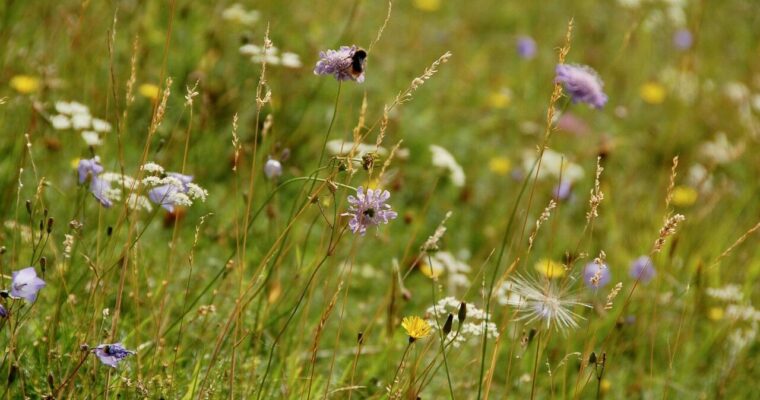
- Species-rich grasslands: Including lowland calcareous grassland and hay meadows.
- Woodland and scrub: Creation of native woodland or successional scrub.
- Wetlands: Including fens, reedbeds, and pond complexes.
- Heathland: Restoration of open dwarf shrub heath.
Who can apply
This funding is open to farmers, landowners, land managers, protected landscape organisations and environmental NGOs working within the Kent Downs National Landscape (subject to standard FiPL eligibility requirements where applicable).
How to apply
Applications follow the standard FiPL process. If you have a project idea or would like to discuss whether your proposal could qualify under the Wildlife Rich Habitats funding pot, please contact the FiPL team before submitting an application.
You can find full FiPL guidance and application information here:
Farming in Protected Landscapes (FiPL) Programme
Contact and advice
Early discussion is strongly encouraged, particularly where habitat classification or technical eligibility may need clarification.